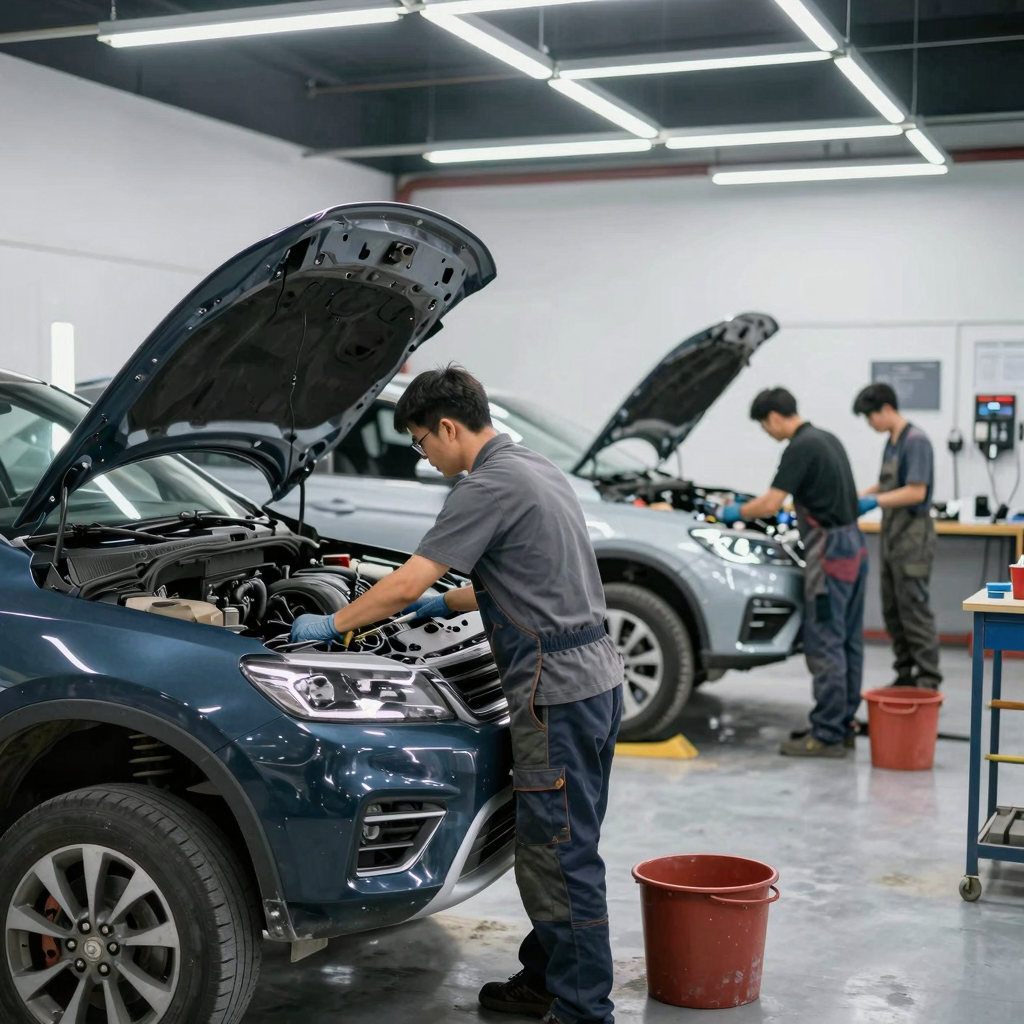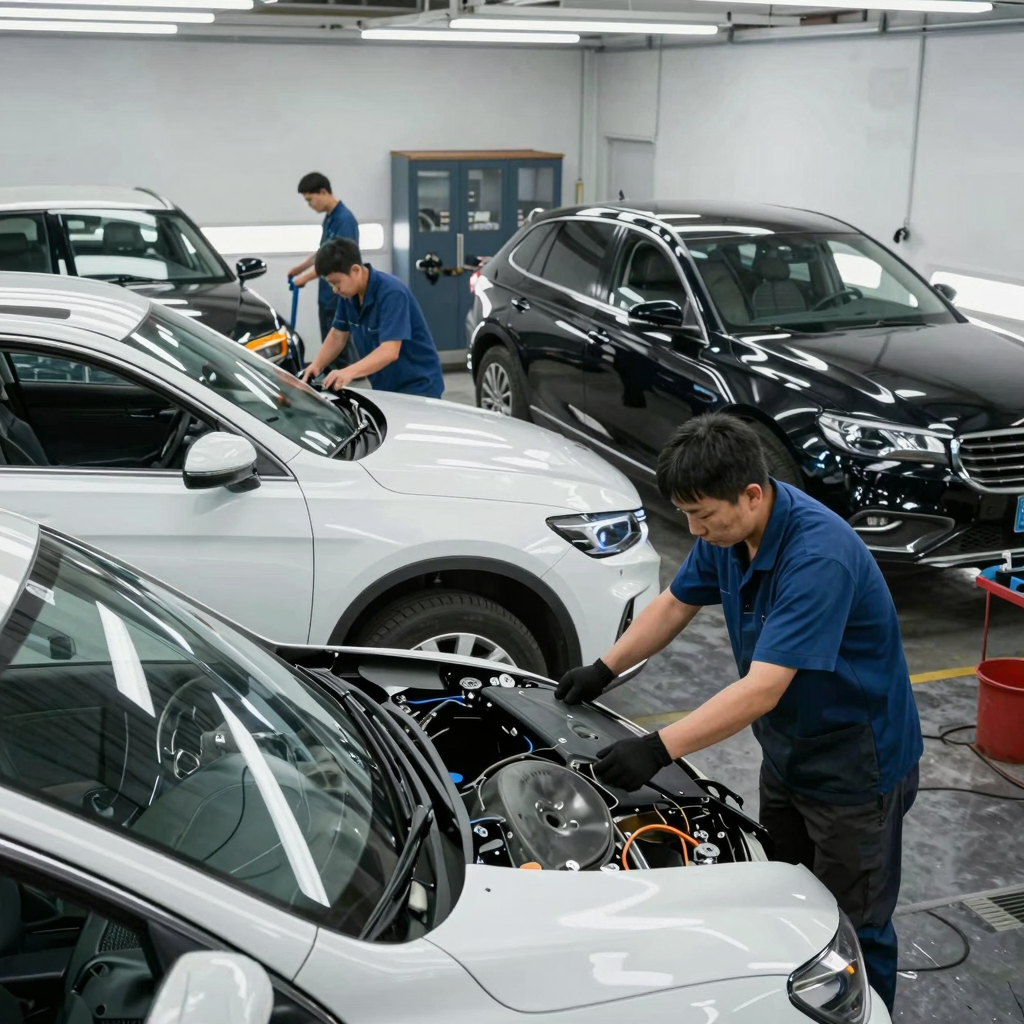


The Crucial Role of Auto Body Repair in Business Operations
In the competitive landscape of modern business, the appearance and functionality of your vehicles can significantly impact your operational success. For business owners, maintaining a fleet of vehicles isn’t just about transportation; it’s about preserving a professional image that resonates with clients and customers. Customers often equate the condition of a business’s vehicles with its overall reliability and care, as highlighted in research indicating that well-maintained fleets experience a 37% higher customer satisfaction rate compared to those with visible damage. This perception can directly influence client trust and lead to securing more contracts in service-oriented industries.
Auto body repair plays a pivotal role in sustaining this image, ensuring that vehicles are not only safe to operate but also presentable on the road. Neglecting necessary repairs can lead to increased downtime, rising maintenance costs, and potential safety issues due to structural compromises-factors that could tarnish a business’s reputation (National Fleet Management Association). Partnering with a high-quality auto body shop, such as Jim’s Auto Repair and Body Works, can dramatically enhance your fleet’s performance.
These shops utilize advanced repair techniques and OEM-quality parts, which not only restore vehicles to like-new condition but also reduce the total cost of ownership through lower maintenance needs over time. They provide efficient services that minimize disruption to business operations, ultimately resulting in significant savings and a more robust bottom line. Investing in professional auto body repairs is thus not merely a cost-it’s a strategic decision to enhance operational efficiency and improve your brand image in the long term.
Emphasizing the importance of a well-maintained fleet ensures businesses not only meet safety regulations but also cultivate a reputation for excellence in their respective industries. For more insights on optimizing fleet operations, check out Dons Auto Body’s Reliable Fleet Services.
Common Auto Body Repair Services for Business Vehicles
Business owners with fleets or vehicles often require specific auto body repair services to maintain their vehicles’ appearance and functionality. Here’s a list of typical services offered by auto body shops that cater to business vehicles:
- Dent Repair: Efficiently fixing minor dents and dings to restore the vehicle’s aesthetic.
- Paint Touch-Up: Addressing scratches and chips with precise paint matching for seamless repairs.
- Collision Repair: Comprehensive services to restore vehicles that have been damaged in accidents, including structural repairs.
- Frame Straightening: Using advanced technology to ensure the frame of the vehicle is restored to its original specifications.
- Bumper and Fender Replacement: Providing replacements for damaged bumpers and fenders, ensuring vehicle safety and compliance.
- Windshield Repair and Replacement: Quick and effective solutions for cracked or damaged windshields, maintaining visibility and safety on the road.
- Rust and Corrosion Treatment: Preventative and corrective measures to handle rust issues that could compromise vehicle integrity.
These services are crucial for maintaining business vehicles and minimizing downtime due to repairs. For more information on essential auto body repair services, check out this article and this guide.
Choosing the Right Auto Body Shop for Your Business
Selecting an auto body shop is a crucial decision for business owners, especially when it comes to maintaining the fleet or ensuring rapid repairs for company vehicles. Here are the key factors to consider:
1. Certifications and Accreditations
When evaluating an auto body shop, one of the first aspects to investigate is whether the shop holds relevant certifications. Look for shops that are certified by reputable organizations such as the Inter-Industry Conference on Auto Collision Repair (I-CAR) or the National Institute for Automotive Service Excellence (ASE). These certifications indicate that the technicians have received specialized training and adhere to industry standards, ensuring quality and reliability in repairs. Certified shops are usually more familiar with modern repair technologies and techniques, which can be particularly important for newer vehicles.
2. Customer Reviews and Reputation
Another critical factor is the shop’s reputation in the community. Online reviews on platforms like Google, Yelp, and the Better Business Bureau (BBB) can provide valuable insights into customer experiences. Look for feedback regarding the quality of work, professionalism, and the shop’s ability to meet deadlines. Consistent positive reviews are a strong indicator that the shop values its customers and delivers satisfactory service. Conversely, be cautious of shops with numerous negative reviews or unresolved complaints.
3. Turnaround Times
For businesses, minimizing downtime is essential. When contacting potential auto body shops, inquire about their average turnaround times for various types of repairs. A reliable shop will provide clear estimates and typically completes repairs within 3 to 7 days, depending on the complexity. Many businesses benefit from auto body shops that offer rental cars or shuttle services, thus reducing the impact on daily operations while vehicles are under repair. During your inquiry, consider asking how the shop communicates progress; top-rated shops often provide digital updates and real-time tracking via mobile apps.
4. Detailed Estimates
Always request a detailed written estimate prior to authorizing any work. The estimate should outline all necessary repairs, parts, and labor costs. This transparency is crucial for budgeting and ensuring there are no surprises when it comes time to pay the bill. A reputable shop should be willing to break down costs and discuss alternatives if certain repairs could be optional or less expensive.
Conclusion
For business owners, taking the time to choose the right auto body shop can lead to substantial savings and more efficient fleet management. Consider these factors carefully-certifications, customer reviews, turnaround times, and detailed estimates-to ensure you partner with a shop that aligns with your business needs. By selecting a trustworthy auto body shop, you can enhance your fleet’s efficiency and reliability.
For more tips on selecting quality auto body services, check out our overview of certifications and reviews or top tips for finding the right auto body shop.
Conclusion
Selecting the right auto body shop for your business vehicles is essential for maintaining operational efficiency, ensuring safety, and protecting your investment. Throughout the article, we emphasized the importance of choosing a shop that offers quality repairs, reliable service, and the ability to handle fleet vehicles professionally. Key factors such as expertise, turnaround time, certifications, and customer support should guide business owners in this decision-making process. A trusted auto body shop not only restores your vehicles but also helps minimize downtime and long-term costs, which are critical for business success.
Business owners looking for reliable options in York can find trusted services at Jim’s Auto Repair and Body Works, known for their comprehensive and quality fleet repair solutions. Additionally, exploring services like Don’s Auto Body Reliable Fleet Services can provide tailored maintenance and repair plans to keep your fleet running smoothly.
Ultimately, investing the time to select the right auto body shop will pay off through enhanced vehicle performance, increased safety, and overall fleet value. Make informed choices to safeguard your business vehicles and keep your operations moving forward efficiently.
Client Testimonial
“Jim’s Auto Repair and Body Works provided our fleet with exceptional service. Their attention to detail and commitment to quality stands out in every interaction. We trust them completely with our vehicles, knowing they will always deliver the best results. I highly recommend them to any business looking for reliable auto body services!”
- Sarah Mitchell, Fleet Manager at Acme Logistics
For those interested in learning more about what Jim’s Auto Repair and Body Works can offer, check out their full range of services or specifically their fleet maintenance options at Dons Auto Body – Reliable Fleet Services.
| Shop Name | Services Offered (Collision Repair, Paint, Structural Repair) | Average Pricing ($) | Customer Ratings (out of 5) |
|---|---|---|---|
| TVC Auto Mechanic & Body Shop | Collision Repair, Paint | $1,200 – $3,500 | 4.5 |
| Witmer Automotive | Collision Repair, Paint, Structural Repair | $1,000 – $4,000 | 4.7 |
| Pritz Auto Body | Collision Repair, Paint, Structural Repair | $1,500 – $5,000 | 4.6 |
| Chuck’s Auto Parts Solutions | Collision Repair, Paint | $800 – $2,500 | 4.4 |
| Mr. Dent | Paint, Minor Collision Repair | $300 – $1,200 | 4.5 |
Source: Yelp (as of May 2026)
Frequently Asked Questions About Auto Body Repairs for Business Vehicles
Auto body repairs can often leave business owners with many questions. Here are some frequently asked questions and their answers to help you understand the process better and to ensure your business vehicles are maintained efficiently.
1. What types of repairs do auto body shops typically offer for business vehicles?
Auto body shops provide a range of services for commercial vehicles, including:
- Dent Removal: Utilizing traditional dent repair techniques for deeper dents or Paintless Dent Repair (PDR) for minor damage.
- Frame Alignment: Restoring the structural integrity of the vehicle after an accident.
- Paint Matching and Repainting: Ensuring that the paint job matches the original vehicle color, maintaining a professional appearance.
- Structural Damage Restoration: Fixing any damage to the body of the vehicle that may affect safety or functionality.
2. How long do repairs usually take?
The duration of repairs can vary based on the extent of the damage. Typically, minor repairs may be completed within 3-7 business days. Major repairs, especially involving structural or frame work, could take longer. Always consult your technician for a precise timeline based on your vehicle’s condition.
3. How can I choose the right auto body shop for my business fleet?
When selecting an auto body shop, consider the following factors:
- Certification: Look for shops with I-CAR Gold Class or ASE Master Technician certifications.
- Experience with Commercial Vehicles: Ensure they have experience working on the specific makes and models of your fleet.
- Transparent Pricing: Choose shops that provide clear estimates and transparent pricing for all services.
- References: Ask for references from other fleet managers. This can provide insight into the shop’s reliability and quality of work. For more guidance, you can read articles like How to Choose the Right Auto Body Shop for Your Business Fleet.
4. What steps should I take if my vehicle recently got damaged?
If your business vehicle gets damaged:
- Document the Damage: Take detailed photos of the damage for your records and insurance claims.
- Report to Your Insurance: Contact your insurance provider to discuss coverage and any necessary claims.
- Find a Certified Auto Body Shop: Take your vehicle to a certified shop that specializes in commercial vehicles to start the repair process.
5. Will using an auto body shop affect my vehicle’s warranty?
Yes, using a certified auto body shop can help ensure that repairs comply with OEM standards, which might be necessary for warranty compliance. Always check your warranty terms and consult with your dealership if unsure. For insights, explore Common Auto Body Repair Questions for Commercial Trucks.
6. How do I ensure my vehicles are maintained during the repair period?
To maintain operations while repairs are taking place:
- Utilize Fleet Management Tools: Use digital tracking to monitor repair progress.
- Consider Temporary Vehicles: If applicable, arrange for temporary vehicles to keep your operations running smoothly while the repairs are completed.
Conclusion
Understanding the auto body repair process is essential for business owners. Regular maintenance and prompt repairs not only keep your vehicles looking good but also ensure the safety of your drivers. If you have any more questions, feel free to reach out to our team or visit our detailed auto repair and body works page.
Legal Considerations for Auto Body Repairs in York for Business Owners
When business owners need to utilize auto body repair services in York, there are critical legal considerations to be aware of regarding warranties and liability. Understanding these laws can help mitigate risks and ensure compliance with local regulations.
Warranties
- Written Warranty Requirements: New York law mandates that auto body shops provide a written warranty for repairs. This warranty must clearly specify the duration (at least 1 year), coverage details, and contact information for the shop. If a warranty is not provided and defects appear within the warranty term, the shop may be held liable for repair costs.
- Source: New York State Department of Motor Vehicles – Repair Warranty Information
Liability
- Consumer Protection Laws: Under New York’s consumer protection laws, business owners are entitled to legal recourse if an auto body shop provides substandard work or utilizes defective parts. This can include claims for repair costs, rental car fees, and loss of vehicle use. Auto body shops must adhere to industry standards; failing to do so could result in negligence claims against them.
- Source: New York State Attorney General – Consumer Protection
Documentation
- Record Keeping Obligations: New York law also requires auto body shops to maintain detailed records of repairs for a minimum of three years. This includes invoices, parts lists, labor logs, and warranty documentation. Business owners are advised to keep copies of these records to support any potential claims.
- Source: New York State Department of Taxation and Finance – Business Records Requirements
Sales Tax
- Taxable Services: In New York, most charges from auto body shops, including parts, labor, and services, are subject to sales tax (4%) and local taxes (up to 4.5% depending on location). Business owners should confirm that the shop is correctly collecting and remitting sales taxes to avoid tax liabilities.
- Source: New York State Department of Taxation and Finance – Sales Tax on Repairs
Dispute Resolution
- Mediation and Arbitration: In case of disputes, New York provides mediation services through the Office of the Attorney General. Businesses can also pursue arbitration or take their cases to small claims court. It is crucial to keep all documentation and communications as this will support legal claims.
- Source: New York State Unified Court System – Small Claims Court
Summary Chart
Here’s a summary of the legal considerations:
| Category | Legal Consideration | Details | Source |
|---|---|---|---|
| Warranties | Written Warranty | Must provide a clear written warranty for at least 1 year. | New York State DMV |
| Liability | Consumer Protection | Liability for substandard work or defective parts under consumer laws. | NY State Attorney General |
| Documentation | Record Keeping | Maintain records of repairs for at least 3 years. | NY Taxation and Finance |
| Sales Tax | Taxable Services | Charges are subject to sales tax (4%) and local taxes. | NY Taxation and Finance |
| Dispute Resolution | Mediation and Arbitration | Resolution options available including small claims court. | NY Unified Court System |
Understanding these laws will aid business owners in navigating the auto repair sector in York effectively, ensuring compliance and protecting their investments. For more information on local auto body services, check out Jim’s Auto Repair or explore Mike’s Auto Body Rapid Repair Services.

The Importance of Regular Maintenance for Business Vehicles
Maintaining business vehicles is not just a matter of compliance; it is a crucial factor that influences the operational efficiency and financial health of any business that relies on transport. Regular maintenance can prevent minor issues from growing into significant ones, saving both time and money in the long run. A report by the Fleet Management Association (FMA) highlights that businesses with consistent preventive maintenance schedules can see a reduction of up to 45% in repair costs over three years. This figure illustrates the direct correlation between regular check-ups and financial savings.
Cost Savings Through Preventive Maintenance
Many businesses do not realize the true cost of neglecting regular vehicle maintenance. Small issues such as a fluid leak, worn brakes, or tire imbalance can lead to mechanical failures that result in severe physical damage to the vehicle body. According to the American Trucking Associations (ATA), implementing a regular maintenance program can save an average of $3,200 per vehicle each year by catching these minor problems before they escalate.
Common Risks of Neglecting Maintenance:
- Brake Failures: A simple brake check could prevent accidents that cause extensive auto body damage.
- Tire Issues: Misalignment can lead to uneven wear, affecting the suspension and causing future frame damage.
- Fluids: Not replacing worn fluids can lead to engine overheating, which could ruin the engine entirely.
Addressing these issues proactively extends the lifespan of your vehicles and enhances fuel efficiency, translating into operational cost savings. Additionally, the National Highway Traffic Safety Administration (NHTSA) confirms that vehicles with documented maintenance records experience a 60% lower incidence of preventable accidents. This indicates not only financial benefits but also a direct impact on safety, which is paramount for businesses operating fleets.
Financial Benefits of Preventive Maintenance
In the long term, investing in regular maintenance can vastly outweigh the costs associated with extensive repairs. The statistics state that companies save an average of $2,800 per vehicle over five years by reducing repair and downtime expenses, benefiting both profits and productivity.
When regular maintenance checks are performed, it significantly lowers the chances of extensive body repairs caused by accidents. A routine inspection might uncover an issue with the steering system, which, if left unaddressed, could later cause a severe accident that leads to costly body damage.
Conclusion
In conclusion, regular maintenance is not merely an optional expense for businesses relying on vehicle fleets; it is a commitment to sustainability and operational efficiency. By prioritizing maintenance, businesses not only save money but also enhance safety and performance. To learn more about improving your fleet maintenance practices, check out Doug’s Auto Fleet Maintenance for exceptional service. Investing in a solid maintenance plan is an investment in the longevity and reliability of your vehicles.